The Protocol Kit — Peptide Reconstitution & Dosage Guides
Reconstitution math, dosing charts, and research protocols for every major peptide — free calculator included.
Free Peptide Reconstitution Calculator
Enter your vial strength, BAC water volume, and target dose to get an exact syringe draw, concentration, and doses per vial in seconds.
Open the Peptide Calculator →Everything You Need to Run This Protocol
Standard supplies every researcher needs. Sourced and linked for you.
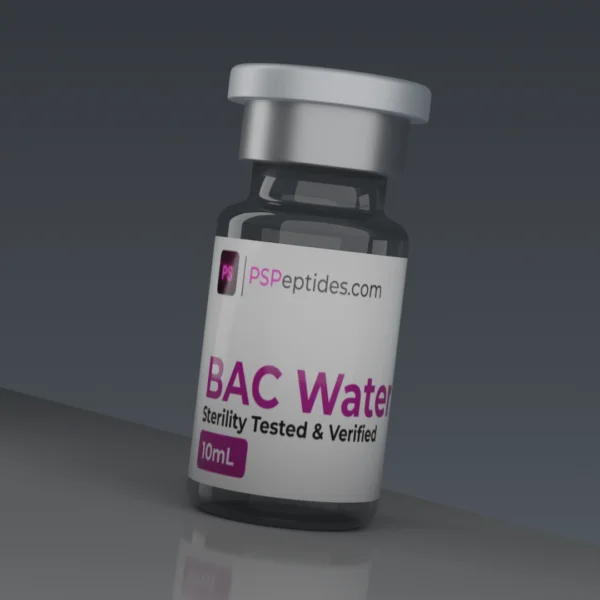
Bacteriostatic Water (10mL)
Required for reconstitution. Sterile, multi-use.
View Bacteriostatic Water on PSPeptides →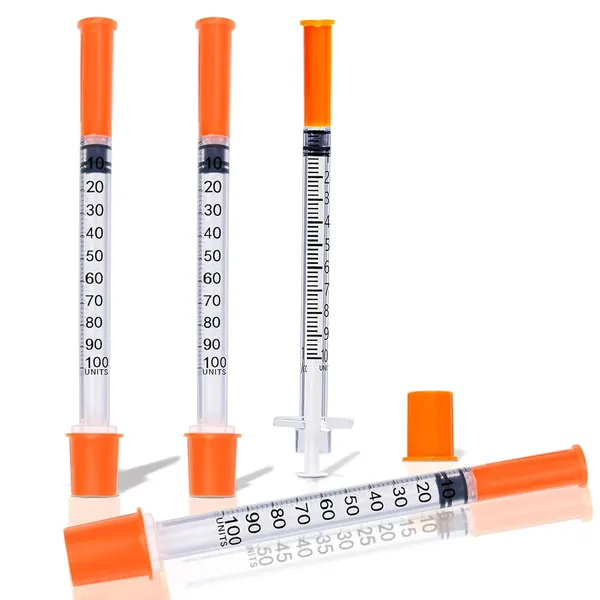
Insulin Syringes U-100 (31g, 1mL, 100ct)
The standard for peptide injection. Fine gauge, low dead space.
View Insulin Syringes on Amazon →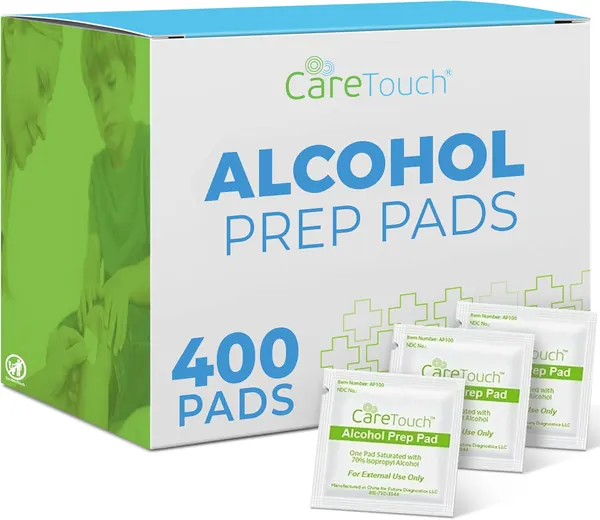
Alcohol Prep Pads (200ct)
Sterile swabs for vial tops and injection sites.
View Alcohol Prep Pads on Amazon →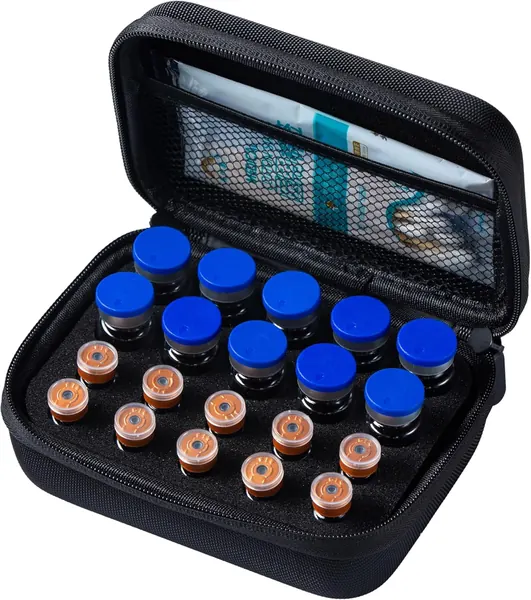
Peptide Storage Case
Insulated case for vial and syringe storage.
View Peptide Storage Case on Amazon →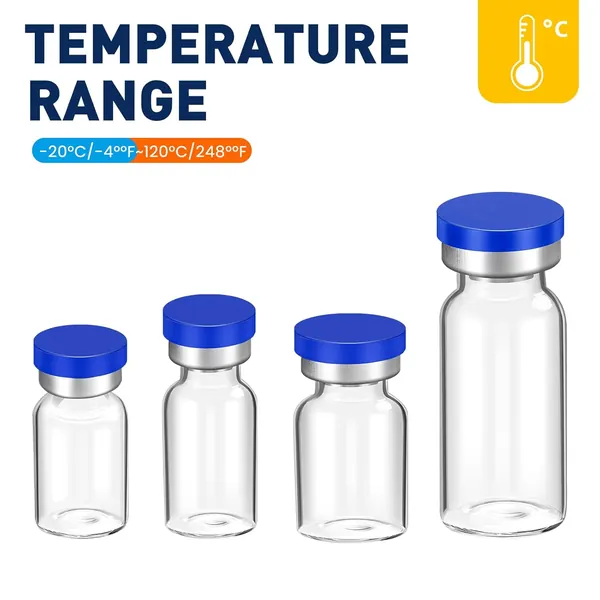
Sterile Empty Vials (10mL, 10ct)
For dilution or splitting vials.
View Sterile Empty Vials on Amazon →
As an Amazon Associate, The Protocol Kit earns from qualifying purchases.
The Retatrutide Protocol Guide
Everything you need to run a retatrutide protocol correctly — dosing math, titration schedule, reconstitution walkthrough, storage, and what to watch for.
- ✓Full titration schedule (2 mg → 4 mg → 8 mg → 12 mg)
- ✓Reconstitution walkthrough with exact calculations
- ✓Weekly injection protocol with timing guidance
- ✓Storage and vial handling best practices
- ✓Common mistakes and how to avoid them
Protocol Guide
The BPC-157 Protocol Guide
The complete research protocol for BPC-157 — dosing math, reconstitution walkthrough, syringe draw reference, TB-500 stack guide, storage, and the 6 most common mistakes including the critical mcg vs mg distinction.
- ✓Dosing protocols — 200 mcg to 1,000 mcg reference
- ✓Reconstitution at 2.5 mg/mL and 5.0 mg/mL
- ✓Syringe draw tables for both concentrations
- ✓Stacking with TB-500 — rationale and protocols
- ✓Storage, injection technique, and common mistakes
Protocol Guide
The TB-500 Protocol Guide
The complete research protocol for TB-500 — loading vs maintenance dosing, reconstitution walkthrough, syringe draw reference, BPC-157 stack guide, storage, and the 6 most common mistakes.
- ✓Loading phase (4–6 mg) and maintenance phase protocols
- ✓Reconstitution at 2.5 mg/mL and 5.0 mg/mL
- ✓Syringe draw tables for both concentrations
- ✓Stacking with BPC-157 — rationale and mixing instructions
- ✓TB-500 vs Thymosin Beta-4 distinction explained
Protocol Guide
The Semaglutide Protocol Guide
The complete research protocol for semaglutide — full titration schedule, reconstitution walkthrough, syringe draw reference, GI side effect management, and the 6 most common mistakes.
- ✓Full titration schedule (0.25 mg → 2.4 mg)
- ✓Reconstitution at 1.0 mg/mL and 2.5 mg/mL
- ✓Syringe draw tables for both concentrations
- ✓GI side effect management strategies
- ✓Storage, injection technique, and common mistakes
Protocol Guide
The Tirzepatide Protocol Guide
The complete research protocol for tirzepatide — full titration schedule, reconstitution walkthrough, syringe draw reference, GI side effect management, and the 6 most common mistakes.
- ✓Full titration schedule (2.5 mg → 15 mg)
- ✓Reconstitution at 5.0 mg/mL and 10.0 mg/mL
- ✓Syringe draw tables for both concentrations
- ✓Tirzepatide vs semaglutide comparison
- ✓Storage, injection technique, and common mistakes
Protocol Guide
Get the Free Reconstitution Guide
Enter your email and we'll send you a complete reconstitution walkthrough — BAC water ratios, syringe draw math, storage tips. No fluff.
No spam. Unsubscribe anytime. We send protocols, not noise.
How to reconstitute peptides
Six steps, start to finish. Follow these exactly every time.
- 1Gather your supplies — bacteriostatic water, your peptide vial, a 3–5 mL syringe for drawing water, a separate insulin syringe for dosing, 70% isopropyl alcohol swabs, disposable gloves, and a clean flat surface.
- 2Sanitize everything — wash your hands, put on gloves, remove the plastic caps from both vials, and wipe each rubber stopper with a fresh alcohol swab. Do not touch the stoppers after wiping.
- 3Draw the BAC water — draw air into your larger syringe equal to the water volume you need, insert the needle through the BAC water stopper, inject the air to create pressure, invert the vial, and slowly pull the water out. Tap the syringe to push any bubbles back in.
- 4Add water to the peptide vial — insert the needle through the peptide vial stopper at an angle and inject the water slowly down the inside glass wall. Never aim directly at the powder and never force it. A hard stream causes foaming and traps air in the solution.
- 5Swirl to dissolve — gently swirl or roll the vial until the solution is completely clear. Do not shake it. Most peptides dissolve within 1–2 minutes. If using GHK-Cu, a blue-tinted solution is normal.
- 6Label and refrigerate immediately — write the reconstitution date and concentration on the vial and refrigerate at 36–46°F. Use within 4–6 weeks. Never freeze a reconstituted peptide solution.
Common reconstitution mistakes
These are the errors that ruin vials and produce inaccurate doses.
| Mistake | Risk | Fix |
|---|---|---|
| Shaking the vial | Foams the solution, traps air, makes accurate draws impossible | Swirl or roll gently — never shake |
| Using sterile water instead of BAC water | No preservative means bacteria grow in multi-dose vials | Always use bacteriostatic water for any vial you'll draw from more than once |
| Injecting water directly onto the powder | Direct force damages peptide structure | Aim the needle at the inside glass wall and let the water trickle down slowly |
| Not sanitizing the stopper | Contamination degrades the peptide and risks infection | Wipe with a fresh alcohol swab before every needle insertion |
| Storing at room temperature | Heat and light accelerate degradation — potency drops within days | Refrigerate immediately after reconstitution, keep away from light |
Storage and stability reference
Lyophilized powder and reconstituted solution age differently. Store accordingly.
Before reconstitution (lyophilized powder)
| Storage condition | Expected stability |
|---|---|
| Frozen at −20°C | 12–24 months |
| Refrigerated at 2–8°C | 6–12 months |
| Room temperature | 1–3 months — avoid if possible |
After reconstitution (solution)
| Storage condition | Expected stability |
|---|---|
| Refrigerated at 2–8°C | 4–6 weeks |
| Room temperature | Days only — do not store at room temp |
| Frozen | Never freeze a reconstituted solution |
Discard if you notice cloudiness, visible particles, unexpected color change, or persistent foam. Most peptides produce a clear colorless solution. GHK-Cu is the exception — a blue tint is normal.